
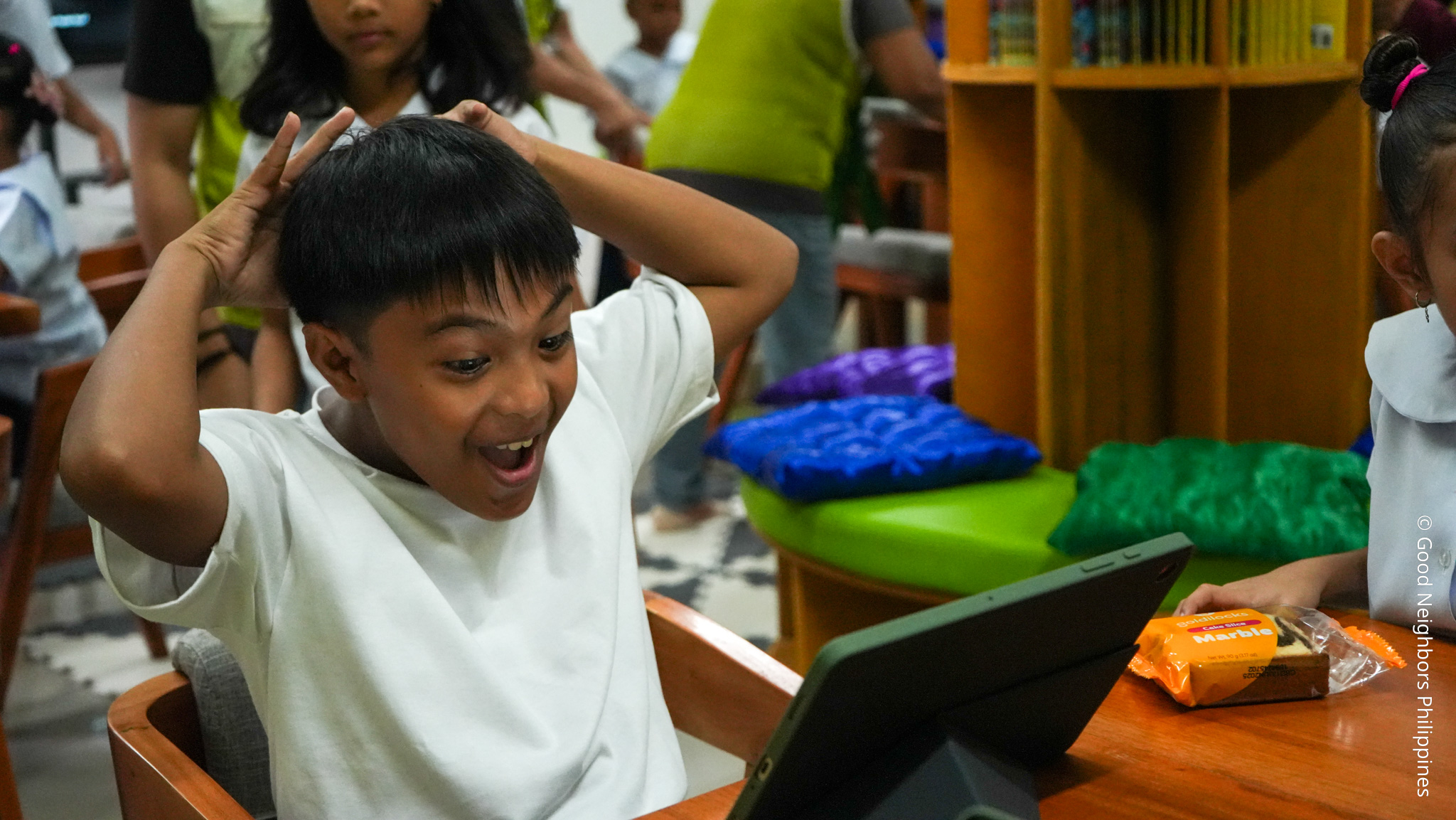
Literacy Opens Doors: Creating Better Opportunities for Every Child and Young Person
On International Literacy Day, we are reminded that learning is more than knowing how to read and write. It is about having the knowledge, skills, and confidence to participate, make informed choices, pursue opportunities, and build a better future.
Celebrated every September 8, International Literacy Day recognizes literacy as a fundamental human right and a foundation for greater freedom, opportunity, and participation in society. In 2026, UNESCO marks the 60th anniversary of the observance under the theme “Literacy for people, the planet and prosperity.”
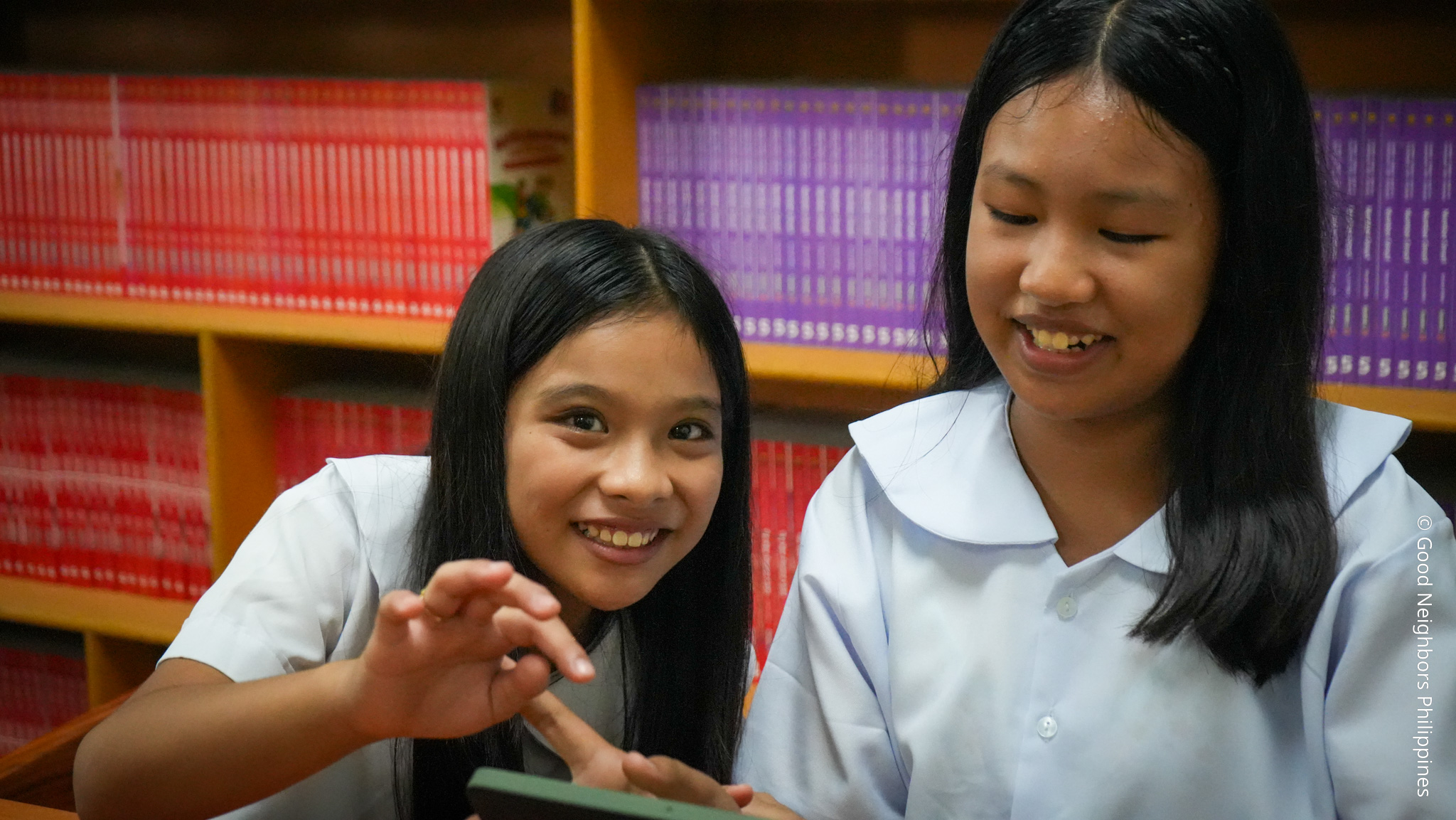
Yet for many children and young people, especially those living in marginalized communities, access to quality learning remains a challenge. Poverty, limited resources, difficult geographic conditions, and other barriers can make it harder for children to stay in school and develop the skills they need to thrive.
The Good Library: Bringing Learning Closer to Children
One way we help make learning resources more accessible is through The Good Library.
For children in communities where books, technology, and other educational resources may be limited, The Good Library provides a space where they can read, explore, discover, and learn beyond the traditional classroom.
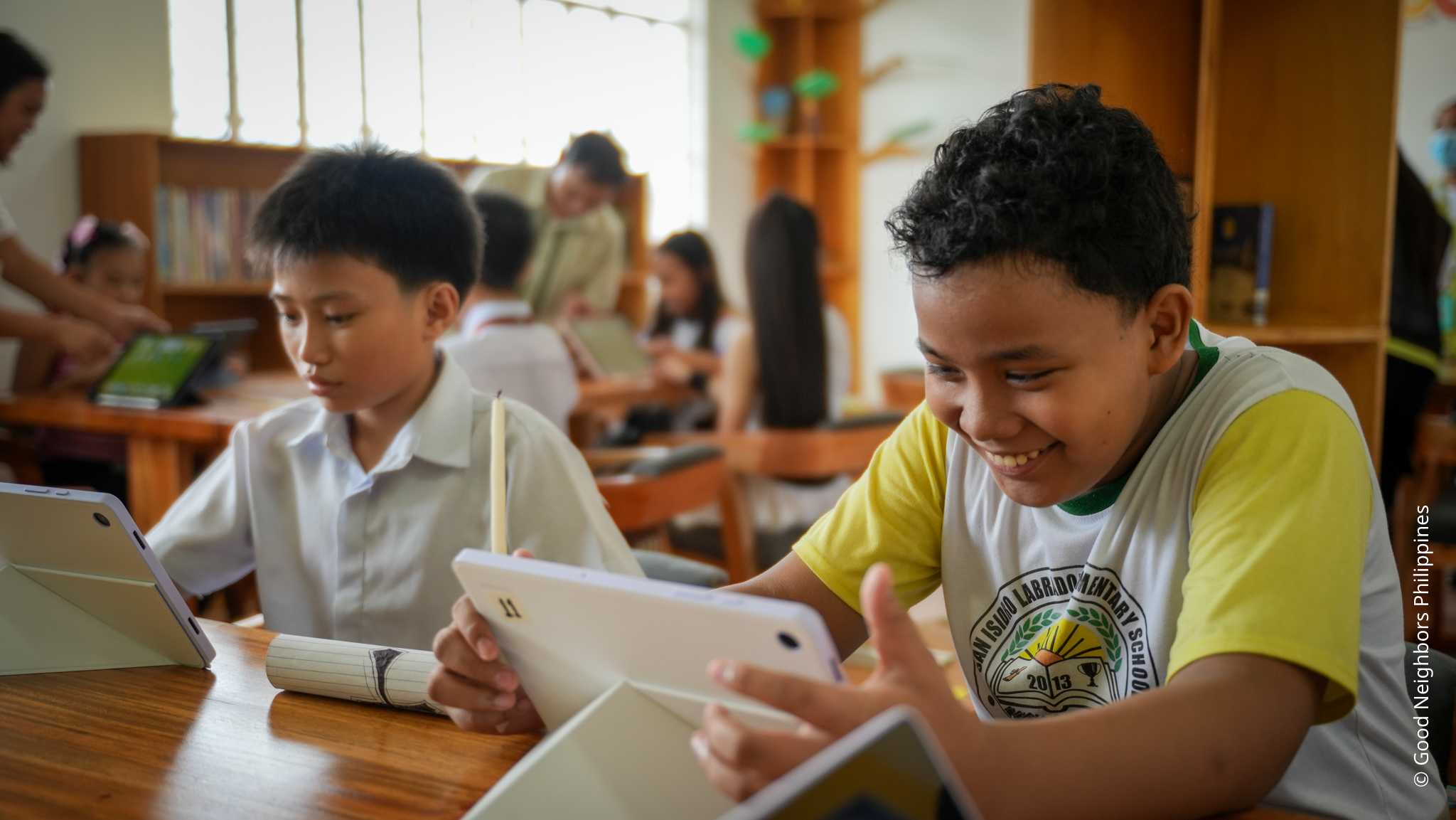
Through access to books and digital learning resources, the initiative encourages children to develop their reading habits while also building digital literacy and curiosity. It gives learners an opportunity to explore subjects beyond their school lessons and discover information that can broaden their understanding of the world.
More than a collection of books and learning materials, The Good Library is a space for possibility; a place where a child can pick up a book, discover a new interest, learn a new skill, and begin imagining what their future could look like.
Creating Opportunities Through Education
At Good Neighbors Philippines, we believe that every child deserves the opportunity to learn, regardless of their circumstances.
Our education programs focus on improving access to education while strengthening learning and literacy outcomes. This includes providing school supplies, scholarships and financial assistance, supporting early childhood literacy, empowering teachers, encouraging peer education, and developing safe and inclusive learning environments.
We also recognize that literacy today goes beyond books and classrooms.
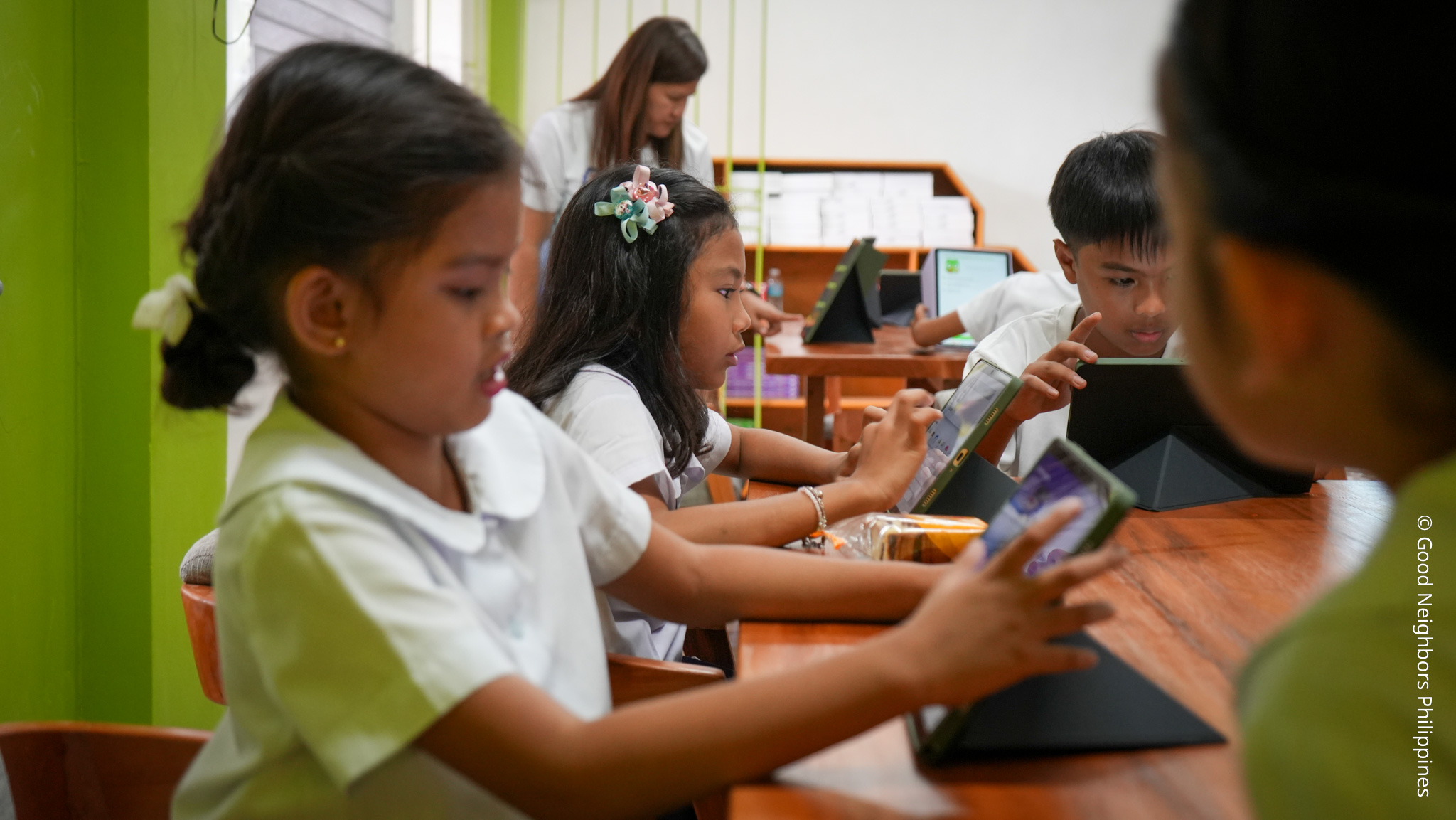
Through initiatives such as The Good Library and digital library programs, Good Neighbors Philippines helps children develop reading, writing, comprehension, creative, and digital literacy skills while giving them greater access to technology and learning resources.
These opportunities can make a meaningful difference for children who may otherwise have limited access to educational resources.
Education Doesn't Stop at the School Gate
Creating opportunities also means reaching young people who have already stepped away from formal education.
For out-of-school youth, the challenge is not simply getting back into a classroom. Many need practical skills, career pathways, and opportunities that can help them become financially independent and build sustainable futures.
In 2026, Good Neighbors Philippines launched the Philippine Out-of-School Youth Self-Reliance Support Project in partnership with the Digital Arts Technology Training Center Inc. (DATTCI), with funding support from the Korea Financial Industry Foundation (KFIF).
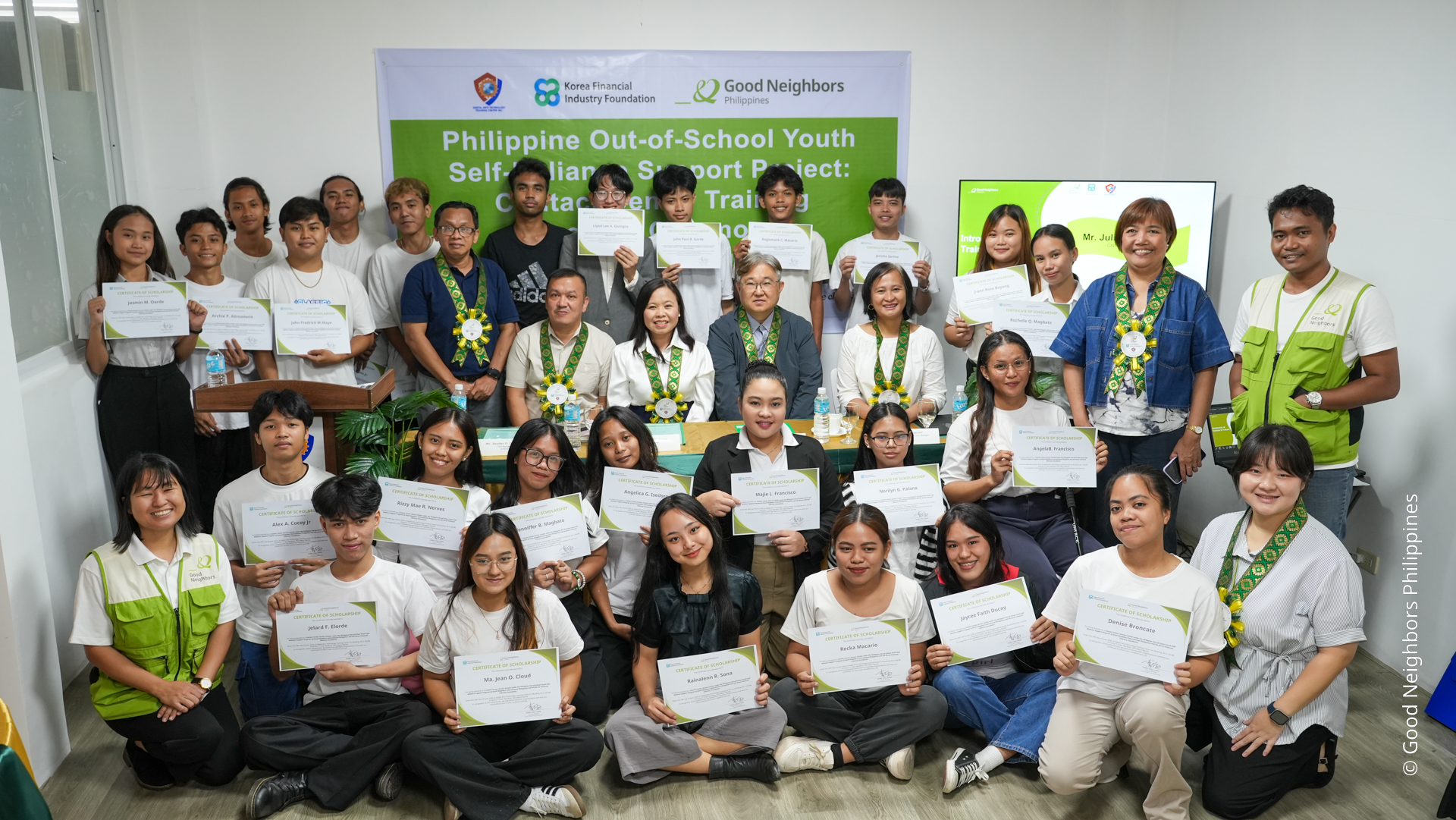
Implemented in San Isidro, Rodriguez, Rizal, the project provides specialized training and practical industry knowledge to help out- of-school youth pursue opportunities in the call center industry. Beyond technical skills, the program aims to create pathways toward employment, financial independence, and self-reliance.
This reflects an important part of what literacy and education can achieve: opening doors to opportunity.
This is why Good Neighbors Philippines sees education not simply as a service, but as a way to empower children and young people to become more self-reliant and active members of their communities.
Our work is grounded in the belief that marginalized children and young people should not be defined by the opportunities they have missed, but by the opportunities we can help create for them.